
Naltrexone for Alcohol: How It Works and What to Expect
What the medication does, the forms it comes in, who should not take it, and how well it works.
Updated 2026-11-23 · Written by the Quit Drinking team
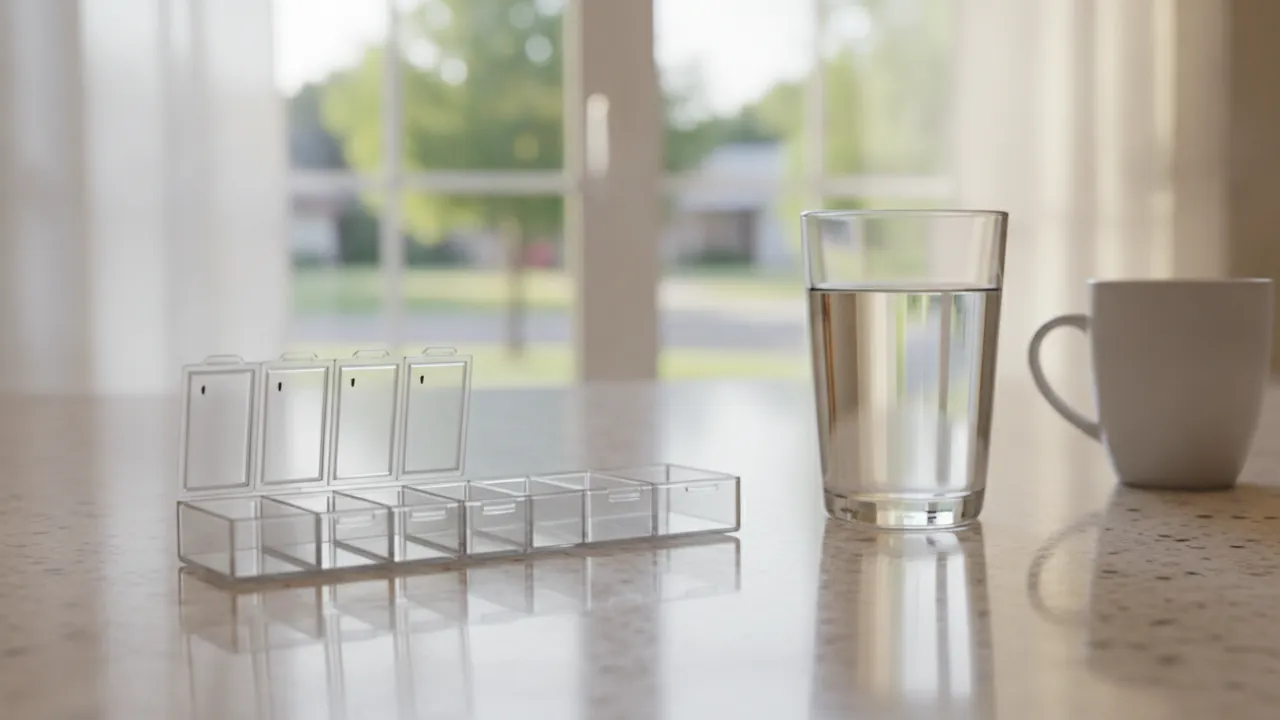
Naltrexone for alcohol is an FDA-approved prescription medication that blocks opioid receptors in the brain, which reduces the rewarding effect of drinking and can lower cravings and the number of heavy-drinking days. It comes as a 50 mg daily pill or a 380 mg monthly injection (Vivitrol), it does not cause a high, and it must be prescribed by a clinician.
How naltrexone works
Alcohol triggers the brain's own opioid system, which is part of why drinking feels good and why one drink makes another more tempting. Naltrexone sits on those opioid receptors and blocks them. If you drink while taking it, the pleasurable lift is dulled, and over time the link between drinking and reward weakens. Many people notice that cravings and the urge to keep going after the first drink fade.
It does not make you sick when you drink, and it does not stop you becoming drunk. It is also not a withdrawal medicine. If you drink heavily, you still need medical advice before you stop (see alcohol detox and medical help).
Naltrexone forms and doses
| Form | Usual dose | How often |
|---|---|---|
| Oral tablet | 50 mg | Once a day |
| Extended-release injection (Vivitrol) | 380 mg, into a buttock muscle by a clinician | Every 4 weeks |
The tablet is cheap and flexible, but it only works if you take it. The injection removes the daily decision, which helps people who forget or who are tempted to skip doses. The major research trial of naltrexone, COMBINE, used a higher oral dose of 100 mg a day, but that was for research and 50 mg is the standard dose.
Who can take naltrexone, and who cannot
Naltrexone is for adults with alcohol use disorder who want to cut down or stop. It is prescribed by a licensed clinician such as a primary care doctor, psychiatrist, or addiction medicine specialist, and no special waiver is needed.
The firm rules are these:
- No opioids. Naltrexone can trigger sudden, severe opioid withdrawal in anyone using or physically dependent on opioids. The FDA label advises at least 7 to 10 opioid-free days before Vivitrol, and longer after methadone or buprenorphine. This includes opioid pain medicine and some cough and diarrhea products, so tell the prescriber about everything you take.
- Acute hepatitis or liver failure. Naltrexone can injure the liver, especially at high doses, and the label lists acute hepatitis and liver failure as reasons not to use it. A doctor usually checks liver tests first. See alcoholic liver disease for what those tests mean.
- Needing opioid pain relief. Naltrexone blocks opioid painkillers, which can complicate emergency pain treatment. Carry a card or tell medical staff you take it.
Do you have to stop drinking before taking naltrexone?
For the tablet, the label does not set a minimum number of alcohol-free days, and a clinician may start it while you are still drinking if it is otherwise safe. For Vivitrol, the label says patients should be able to abstain before starting and should not be actively drinking at the first injection. If you are drinking heavily every day, withdrawal comes first, and a doctor can plan it.
The Sinclair method is a related approach in which people take a 50 mg tablet about an hour before drinking, in order to weaken the reward over time. It has research behind it for people aiming to cut down, but it is not the labeled daily regimen, it needs a clinician's supervision, and it is not a license to drink heavily or drive afterward.
Naltrexone side effects
The common ones are mild and often fade in the first weeks: nausea, headache, dizziness, tiredness, trouble sleeping, decreased appetite, and anxiety or nervousness. Taking the tablet with food can help with nausea. With the injection, pain, swelling, or tenderness at the site is common, and rarely a serious reaction needs medical attention.
Contact a doctor promptly for yellow skin or eyes, dark urine, severe stomach pain (possible liver problems), a worsening mood or thoughts of self-harm, or a severe injection-site reaction. In the US, call or text 988 for a crisis.
How well naltrexone works for drinking
Naltrexone helps some people a lot and others little, and the numbers are modest in the way most medicine for chronic conditions is. A Cochrane review found that oral naltrexone prevents a return to heavy drinking in roughly 1 of every 9 people treated, and a return to any drinking in about 1 of 12, compared with placebo. In COMBINE, which enrolled 1,383 adults for 16 weeks, people on naltrexone plus medical management were less likely to have a heavy-drinking day than people on placebo.
Those averages hide a lot of variation. Think of naltrexone as one tool that works best with counseling, a plan for triggers, and support. The alcohol cravings guide and drinking triggers guide cover the parts a pill cannot do.
Naltrexone, acamprosate, and disulfiram
Three drugs are approved for alcohol use disorder, and they do different jobs. Naltrexone reduces reward and craving and can be used while you are still drinking. Acamprosate eases the unsettled, anxious feeling of early abstinence and is usually started after you stop. Disulfiram makes you ill if you drink, which works only if you take it faithfully. Your doctor will weigh your health, other medicines, and goals. The alcohol use disorder guide places medication within the wider treatment picture.
Talking to a doctor about naltrexone
Go in with specifics: how much you drink in a week, whether you want to stop or cut down, any opioid or other medicine you take, and any liver problems. Ask whether the tablet or the injection fits you better and what blood tests they want. If a first appointment feels like a big step, the quit drinking home page helps you decide on a goal before you go.
This page is general information, not medical advice. Do not start, stop, or adjust naltrexone without a prescriber.
Sources checked 23 November 2026: FDA, Vivitrol prescribing information (2022); NIAAA, COMBINE study; Anton et al., JAMA 2006.
Questions about naltrexone for alcohol
What is the difference between naltrexone and Vivitrol?
Vivitrol is the brand-name monthly injection of extended-release naltrexone, 380 mg given into a buttock muscle by a clinician every 4 weeks. Generic naltrexone is the daily 50 mg tablet. Both block opioid receptors. The injection removes the daily decision, while the tablet is cheaper and easier to stop if side effects appear.
Does naltrexone make you sick if you drink?
Naltrexone does not make you sick if you drink. That reaction belongs to disulfiram, a different drug. Naltrexone causes no alcohol reaction, and it does not stop intoxication, hangovers, or liver damage. Some people feel nauseated when they start it, which is a side effect of the medication rather than a reaction to alcohol, and it often fades in the first weeks.
Is naltrexone safe for your liver?
Naltrexone is generally well tolerated, but it can injure the liver, mostly at high doses, and the label lists acute hepatitis and liver failure as reasons not to use it. Doctors usually check liver tests before starting, particularly in people with a long drinking history. Tell your doctor right away about yellow skin or eyes, dark urine, or severe stomach pain.
Can you take naltrexone with pain medicine?
Naltrexone cannot be taken with opioid pain medicine. It blocks those drugs, so they will not work, and starting it while opioids are in your system can cause severe withdrawal. Tell every prescriber and emergency team that you take it, carry a card, and ask about non-opioid pain options. If you need planned surgery, ask your doctor how to time your doses.
Can you take naltrexone if you are still drinking?
You can often start naltrexone tablets while still drinking if you have no opioid use or serious liver disease, and a clinician may prefer it that way. The injection is intended for people who can abstain before the first dose. If you drink heavily every day, get medical advice about withdrawal first, because the medication does not treat withdrawal.
How long do you take naltrexone for alcohol?
There is no fixed length of treatment with naltrexone for alcohol. Clinical trials such as COMBINE ran 16 weeks, and in practice prescribers often continue for months, reviewing benefit, side effects, and liver tests along the way. Do not stop on your own, because cravings can return. Agree a review date with your prescriber and discuss whether to continue.
How effective is naltrexone for alcohol use disorder?
Naltrexone helps some people a lot and others little. A Cochrane review found that oral naltrexone prevents a return to heavy drinking in roughly 1 of every 9 people treated, and a return to any drinking in about 1 of 12, compared with placebo. These modest averages hide wide variation, and it works best alongside counseling, a plan for triggers, and support.