
Alcohol-Free Drinks for Different Tastes and Occasions (alcohol free drinks)
A practical guide to choosing substitutes that fit the moment, checking labels, and noticing when a replacement helps or makes drinking harder.
Updated 2026-08-28 · Written by the Quit Drinking team
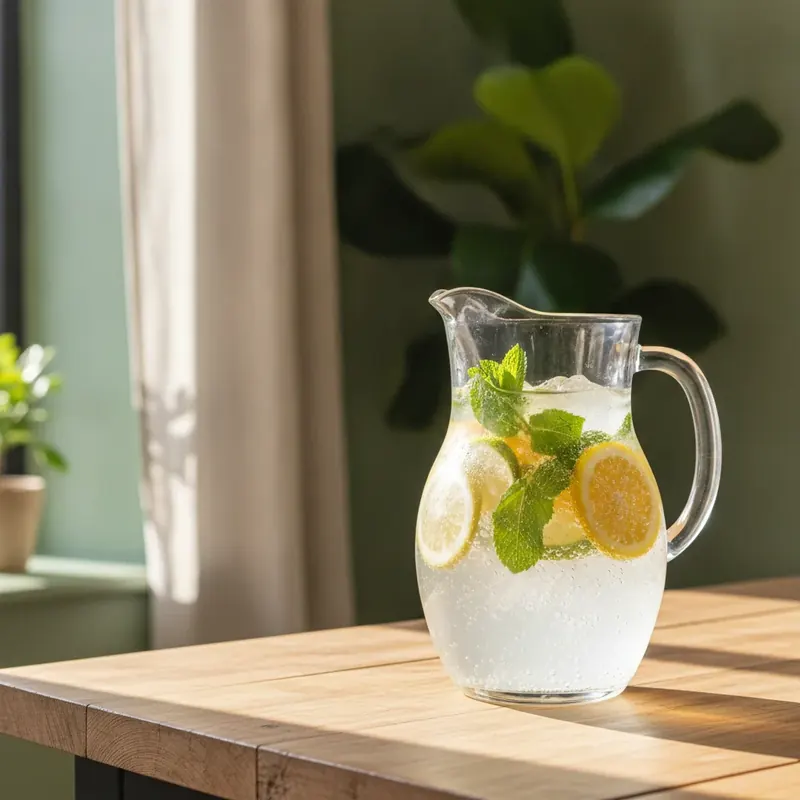
The most useful alcohol-free drink is one that matches what you need from the occasion: refreshment, bitterness, something slow to sip, or simply a drink in your hand. Check the ABV because “alcohol-free,” “non-alcoholic,” and “low alcohol” do not always mean the same thing. If imitation beer, wine, or spirits increase your cravings, choose a substitute with fewer reminders of alcohol.
Start with the job the drink needs to do
Choose an alcohol-free drink by function, not by trying to find a perfect copy of alcohol. A substitute usually needs to do one or more jobs: mark the end of work, give you something to hold at a party, pair with dinner, provide a bitter or adult-tasting option, or slow down how quickly you drink. NIAAA
For an end-of-day drink, the ritual may matter more than the flavor. You might want a cold can from the refrigerator, a particular glass, or a drink you only have after work. Alcohol-free beer, tonic with citrus, iced tea, sparkling water, or a strong ginger drink can all fill that slot. Keep the timing and presentation if they help, while changing what is in the glass.
At a social event, convenience matters. A bottled or canned option is easier than explaining a complicated order. At dinner, acidity and bitterness often work better than sweetness. With dessert, coffee, tea, or a small sweet drink may make more sense than a large soda.
Do not assume the closest imitation is automatically the best substitute. An alcohol-free lager may feel normal and useful to one person. To someone else, the smell, bottle, and first taste may start an argument in their head about having the real thing. The practical test is what happens next: do you settle into the occasion, or do cravings get louder?
Match the choice to the occasion
Use a short list of reliable options for the situations in which you usually drink. Deciding before you arrive removes the need to scan a menu while everyone else is ordering.
At a bar or restaurant
- Sparkling water with lime is widely available and does not need an explanation.
- Tonic water with lemon or grapefruit has bitterness, but regular tonic can contain substantial sugar.
- Alcohol-free beer may fit naturally with bar food, sports, or casual groups.
- Iced tea, hot tea, coffee, or soda can work when the alcohol-free menu is limited.
- A simple zero-proof mixed drink is useful if you want something slower to sip. Ask what is in it rather than assuming it is low in sugar.
At a party
Bring enough of your own drink that you are not dependent on the host. Cans and bottles are easy to identify, and keeping one in your hand can reduce repeated offers. Pouring your drink yourself also prevents confusion about whether a punch or mixed drink contains alcohol.
With dinner
Try options with acidity, tannin, bitterness, or carbonation. Unsweetened iced tea, hop water, sparkling water, alcohol-free wine, or a tart fruit drink diluted with seltzer can stand up to food better than a very sweet soft drink.
At celebrations
For a toast, the contents matter less than having a glass ready at the right time. Alcohol-free sparkling wine, sparkling tea, cider labeled with its ABV, or plain seltzer in a stemmed glass can prevent the awkward last-minute search.
At home alone
Choose something that does not keep the old drinking session going for hours. Tea, flavored seltzer, or one clearly portioned alcohol-free drink can create a cleaner stopping point than repeatedly opening imitation beers until bedtime.
Choose by taste rather than brand category
Start with the taste you actually miss: bitter, dry, tart, smoky, spicy, sweet, or cold and fizzy. This gives you more options than staying inside the beer, wine, and spirits aisles.
- Bitter: hop water, tonic, unsweetened tea, grapefruit soda, or an alcohol-free aperitif.
- Dry: sparkling water, sparkling tea, dry alcohol-free wine, or soda water with citrus peel.
- Tart: kombucha with a checked ABV label, sour cherry drinks, citrus seltzer, or diluted cranberry juice.
- Spicy: ginger beer, ginger shots diluted with seltzer, or zero-proof drinks made with pepper, herbs, or spice.
- Rich: coffee, hot chocolate, malt drinks, or alcohol-free stout.
- Sweet: soda, juice, sweet tea, alcohol-free cocktails, or flavored sparkling drinks.
Temperature and texture often matter as much as flavor. Very cold drinks, strong carbonation, ice, and a smaller glass can make a basic option feel more deliberate. If you used to sip whiskey or wine slowly, replacing it with a drink you finish in two minutes may leave you restless. Pick something you naturally consume at a similar pace.
You do not need a large collection. Two everyday choices and one social option are usually easier to maintain than a shelf of expensive bottles that require preparation. Repeat purchases are useful evidence: if you never reach for a product twice, it is not your substitute.
Read the ABV and ingredient label
Check the printed alcohol by volume rather than relying only on front-label wording. Terms such as “alcohol-free,” “non-alcoholic,” “de-alcoholized,” and “low alcohol” can have different legal meanings across countries and product types.
In the United States, “non-alcoholic” malt beverages may contain less than 0.5% ABV, while an “alcohol free” claim on malt beverages is reserved for 0.0% ABV. Other markets use different thresholds. A product sold or described as alcohol-free in one country may therefore carry a small amount of alcohol. The NHS guidance on low- and no-alcohol drinks also recommends checking labels because these categories are not interchangeable.
If you want to avoid alcohol completely, look for a clear 0.0% ABV statement. Check imported products carefully, and look at the individual container rather than a store shelf sign. Kombucha, bitters, fermented sodas, and cocktail mixers may also deserve a label check even when they are not displayed beside alcoholic drinks.
Then check serving size, sugar, caffeine, and ingredients. “Sugar-free” or “diet” products commonly use high-intensity sweeteners, which may or may not suit your taste. Energy drinks can contain enough caffeine to interfere with sleep, especially if they replace evening alcohol. A large bottle may list nutrition information for a serving smaller than the amount you will actually drink.
Labels also matter if you avoid certain ingredients for religious, dietary, pregnancy, recovery, or personal reasons. When the package is unclear, choose a simpler product with a clear ABV rather than trying to reason from marketing language.
Notice whether imitation drinks trigger cravings
Stop using a substitute if it repeatedly makes you want alcohol more. Alcohol-free beer, wine, and spirits preserve many cues linked to drinking: the container, smell, glassware, pouring routine, taste, and setting.
A trigger does not always appear as an immediate overwhelming urge. It may sound like bargaining: “The alcohol-free one is not doing anything,” “I could handle one real drink,” or “I have already proved I can stop.” You may also notice that you drink the substitute quickly, buy it by the case, or start visiting the alcohol aisle more often.
Run a simple comparison instead of debating whether these products are good or bad in general. On two similar occasions, choose an imitation drink once and a neutral option such as seltzer, tea, or soda once. Record craving intensity before the first drink, 20 minutes later, and when the occasion ends. Also note whether you kept thinking about alcohol afterward.
If imitation products are neutral or reduce the sense of missing out, they can be practical. If they increase bargaining, switch categories for a few weeks. You can still keep the ritual of a cold drink, special glass, or evening pause without reproducing the taste of alcohol.
People who drink heavily every day should speak with a clinician before stopping abruptly. This page is about drink choices and behavior, not medical care.
Handle ordering and social pressure simply
Use a brief order or refusal that does not invite negotiation. Most situations become harder when you provide a long explanation that other people can challenge.
- “I’m having the alcohol-free one.”
- “Just soda water for me.”
- “I’m not drinking tonight.”
- “No thanks, I already have one.”
Order first when possible. Once a drink is in your hand, fewer people ask what you want. At a restaurant, check the menu online or call ahead if the event matters. At someone’s home, bring your own option and tell the host only what they need to know.
Be careful with shared pitchers, punches, welcome drinks, and glasses that are topped up without asking. If there is any uncertainty, replace the drink rather than tasting it to investigate. At busy events, keep your glass with you or get a fresh one.
Some pressure is really curiosity, but repeated pressure is a boundary problem. Repeat the same short answer instead of producing new reasons. Changing the subject or moving to another conversation often works better than trying to convince someone that your choice is valid.
Have an exit plan for events strongly organized around drinking. Drive yourself, know the last train time, set a departure time, or arrange a reason to leave that does not depend on anyone else. An alcohol-free drink can help you participate, but it cannot make every drinking environment comfortable.
Build a small system and track what works
Keep the substitutes that reduce effort, cravings, and unplanned drinking. The goal is not to sample every new zero-proof product; it is to make your usual drinking moments easier to handle.
- List your three common drinking situations. Examples include cooking dinner, Friday drinks, watching sports, or eating at restaurants.
- Assign one default drink to each. Choose something available, affordable, and easy to order.
- Keep a backup. Seltzer, tea, or soda can cover situations where the preferred option is unavailable.
- Track the result. Note cravings, number of alcoholic drinks, money spent, and whether you stayed with your plan.
- Review after two weeks. Remove substitutes you do not enjoy or that make alcohol more tempting.
If you are moderating, decide whether alcohol-free drinks replace specific alcoholic rounds or cover complete alcohol-free days. “I’ll mix them in” is vague. “The first and third drinks will be 0.0% beer” or “I do not drink on weeknights” is easier to follow and measure.
If you are quitting, check whether products containing up to 0.5% ABV fit your boundary. Some people are comfortable with them; others prefer 0.0% products because the rule is clearer. The useful boundary is the one you can apply consistently without repeated bargaining.
Track outcomes rather than novelty. A plain drink that reliably gets you through dinner or a party is more useful than an impressive substitute that is expensive, difficult to find, or tied to stronger cravings.
Common questions
What are the best alcohol-free drinks for a night out?
Good default options include 0.0% beer, sparkling water with lime, tonic with citrus, soda, or a clearly labeled zero-proof mixed drink. Choose something widely available so ordering does not become the main event.
Does alcohol-free mean 0.0% alcohol?
Not always, because labeling definitions vary by country and product type. In the United States, check for a clear 0.0% ABV statement if you want to avoid alcohol completely.
Can non-alcoholic beer contain alcohol?
Yes. In the United States, a non-alcoholic malt beverage may contain less than 0.5% ABV, so read the individual label rather than relying on the category name.
Do alcohol-free drinks help you quit drinking?
They can make routines and social events easier by providing a direct replacement. They are not useful for everyone, and imitation drinks should be avoided if their taste or packaging consistently increases cravings.
What can I drink instead of wine with dinner?
Try sparkling tea, unsweetened iced tea, tart juice diluted with seltzer, hop water, or an alcohol-free wine with a checked ABV. Drinks with acidity, bitterness, or carbonation usually pair with food better than very sweet options.
Are alcohol-free drinks high in sugar?
Some are, especially sweet mocktails, sodas, tonics, and alcohol-free wines. Compare serving sizes and added sugar on the nutrition label; sugar-free versions may use high-intensity sweeteners.
What if alcohol-free beer makes me want real beer?
Switch to a drink that does not imitate alcohol, such as seltzer, tea, coffee, or soda. Track whether cravings settle after the change rather than trying to force a substitute that keeps alcohol on your mind.
Can alcohol-free drinks help with moderation?
Yes, when they replace specific alcoholic drinks under a clear plan. Decide in advance which rounds or days will be alcohol-free, then track what you actually drink.