
Sober Social: How to Be Social Without Drinking
Socializing without alcohol gets easier when you plan the practical parts: arrival, drinks, conversation, pressure, cravings, and leaving.
Updated 2026-08-28 · Written by the Quit Drinking team
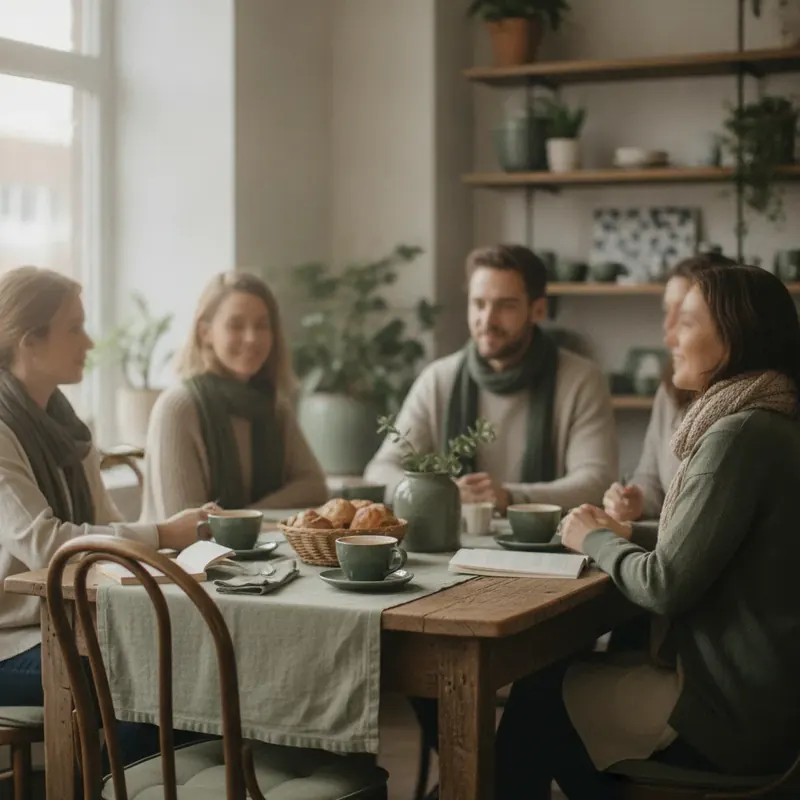
To be social without drinking, decide in advance what you will drink, how long you will stay, and how you will leave. Arrive with a purpose, talk to one person at a time, and use a short refusal such as “No thanks, I’m not drinking tonight.” You do not need to prove you can enjoy every alcohol-centered event sober; start with manageable plans and track what actually works.
Why sober socializing can feel harder at first
Sober socializing feels unfamiliar because you are changing both a drinking habit and a social routine. Alcohol may have marked the start of the evening, filled pauses, given you something to do with your hands, or offered an easy reason to suggest meeting. Removing it exposes the parts of social life that were previously automatic. NIAAA
This discomfort does not mean you are boring or incapable of connecting without alcohol. It usually means you have less practice. You may notice the room more clearly, remember every pause, or assume other people are judging you. Most people are paying far more attention to themselves than to what is in your glass.
Be specific about what worries you. “I cannot socialize sober” is hard to solve. “I do not know what to say when I arrive,” “I expect one friend to pressure me,” or “I get restless after an hour” gives you a problem you can plan around.
Early on, choose events by difficulty rather than trying to attend everything. Coffee with one friend is usually easier than an open-bar wedding. Dinner is often easier than an unstructured night at a bar. Skipping a high-risk event is not a permanent rule; it can simply be a sensible decision while your new routine is still fragile.
If you drink heavily every day, see a clinician before stopping abruptly.
Make a plan before you go
A useful sober social plan answers five questions: why you are going, what you will drink, who can support you, how long you will stay, and how you will get home. Decide these details before the event, not while someone is handing you a drink.
- Choose your reason for attending. You might want to celebrate a friend, see two people you miss, eat dinner, dance, or make a work contact. A clear purpose helps you recognize when the evening has done its job.
- Set a time window. “I will stay from 7:00 to 9:00” is easier to follow than “I will see how it goes.” You can extend the plan if you genuinely want to, but you do not have to remain until the event ends.
- Control your transportation. Drive yourself if appropriate, arrange a ride, check the last train, or keep enough money for a cab. Do not depend on someone who plans to stay late or drink heavily.
- Pick your first drink. Know whether the venue has sparkling water, soda, alcohol-free beer, or a mocktail you actually like. Order it as soon as you arrive.
- Tell one useful person. Ask a trusted friend to avoid offering you alcohol, change the subject if someone pushes, or leave with you at a set time.
If you are moderating rather than quitting, define the limit and pace before leaving home. “I will be careful” is vague. A written limit, planned alcohol-free drinks, and a stop time make the decision observable. If your limits repeatedly disappear once you start, a fully alcohol-free event may be easier than negotiating with yourself all night.
Handle the first 20 minutes
The easiest way to settle into an event is to give yourself immediate tasks. Standing near the entrance and waiting to feel confident tends to increase self-consciousness.
- Greet the host or the person who invited you.
- Get an alcohol-free drink right away.
- Find one familiar person rather than scanning the entire room.
- Ask a practical question: where to put your coat, whether food is being served, or how someone knows the host.
- Help with a small job if that feels natural, such as carrying food or setting out chairs.
Conversation works better when you stop trying to impress the room. Focus on one person and ask follow-up questions. “What have you been doing outside work?” usually goes further than moving through a list of unrelated questions. Offer some information about yourself too; an interview is not a connection.
If you feel awkward, allow the feeling to exist without treating it as an instruction to drink. Take a slow lap, step outside briefly, eat something, or text your support person. Confidence often arrives after you participate for a while. It does not have to arrive before you walk in.
Respond to drinking pressure without a long explanation
The most effective refusal is usually short, clear, and closed to negotiation. You are declining a drink, not presenting a legal case for sobriety.
Social pressure can be direct, such as someone repeatedly offering shots, or indirect, such as noticing that everyone at the table has ordered alcohol. The NIAAA guidance on drink refusal skills recommends preparing for both forms of pressure, using simple responses, keeping an alcohol-free drink in hand, and having an exit available.
Short answers that work
- “No thanks, I’m not drinking tonight.”
- “I’m good with this.”
- “No alcohol for me.”
- “I’m taking a break.”
- “I have an early morning.”
You can repeat the same sentence instead of supplying new reasons. If someone asks why, try “I feel better without it,” followed by a question that changes the subject. You can share more with close friends later, but a crowded party is rarely the best place for a serious explanation.
Persistent pressure is information about the other person, not evidence that your answer was inadequate. Move seats, speak to someone else, ask your ally for help, or leave. A friend may be surprised once; someone who keeps pushing after a clear no is choosing not to respect your boundary.
Create connection instead of trying to recreate drinking
Sober social life improves when the activity provides some structure instead of expecting alcohol to create the mood. Suggest plans where conversation has a natural starting point or where people are doing something together.
- Breakfast, lunch, coffee, or an early dinner
- A walk, hike, gym class, or recreational sport
- Movies, live music, museums, comedy, or local talks
- Cooking, board games, crafts, volunteering, or classes
- Watching a game at home with food and alcohol-free options
Do not judge every activity by whether it produces the loose, loud feeling of drinking. That is a specific effect, not the only form of fun. A good sober evening may be quieter, shorter, and easier to remember. You may also discover that some events were mostly waiting around for other people to become intoxicated.
Take some responsibility for invitations. If your friends usually suggest bars, offer a specific alternative with a day and time: “Want to get tacos Thursday at 6:30?” is easier to accept than “We should do something that doesn’t involve drinking.” Hosting can also help because you control the drinks, timing, and atmosphere.
For bigger events, build in small points of connection. Arrange to arrive with someone, sit near people you like, volunteer for a role, or schedule breakfast with another guest the next morning. The goal is not to work the room perfectly. It is to leave with one or two real interactions.
Know when to leave and what to do after a difficult night
Leaving early is a practical sober skill, not a failed social performance. Go when cravings are rising, pressure is becoming repetitive, people are getting noticeably drunk, or you have stopped enjoying yourself.
You do not need an elaborate excuse. Say goodbye to the host, tell the people you came with, and use a simple line such as “I’m heading out, good to see you.” If announcing your departure will create an argument, leave safely and send a message afterward.
Use a basic craving sequence
- Name what is happening. “I want a drink because I feel left out” is more useful than “This night is impossible.”
- Change your immediate setting. Move away from the bar, get food or water, go outside, or talk to a supportive person.
- Delay the decision. Give yourself 15 minutes before doing anything. If the urge remains strong, use your exit plan.
- Review the event later. Record what triggered the urge, what helped, and what you would change next time.
If you drink after planning not to, end the night as safely as you can and treat the event as data rather than permission to abandon the whole change. Note the first decision that moved you toward drinking: arriving hungry, accepting a drink automatically, staying after your planned time, or going without transportation. Adjust that point next time.
Tracking can stay simple. Record the event, urge level, whether you drank, your exit time, and one useful observation. After several outings, you may find that certain people, venues, or times reliably make staying alcohol-free harder. That pattern is more useful than blaming yourself.
Expect some friendships to change
Changing your drinking can change your friendships because shared routines often hold relationships together. Some friends will adapt quickly, some will need time, and some may only contact you when they want a drinking companion.
Give good relationships a chance to adjust. Tell a friend what would help in concrete terms: meet earlier, choose a restaurant instead of a bar, keep alcohol out of your home, or stop joking about getting you to drink. Avoid expecting people to guess your boundaries.
You may also need to learn whether a friendship has anything beyond alcohol. Invite the person to two or three different activities. If they repeatedly refuse anything that does not involve drinking, accept the information without starting a campaign to change them. You can care about someone and see them less often.
Build new contact gradually rather than trying to replace an entire social circle at once. Repeated activities are useful because familiarity develops without constant planning. A weekly class, volunteer shift, sports group, book club, or regular coffee meetup gives conversations time to become friendships.
Loneliness can briefly increase when you stop attending drinking-centered events before new routines are established. Put social plans on the calendar even if they are short. One walk, one call, and one structured group each week can provide more dependable contact than waiting for spontaneous invitations.
The aim of a sober social life is not to tolerate every old event without alcohol. It is to build a mix of people and plans where drinking is optional rather than the price of belonging.
Common questions
How can I be social without drinking alcohol?
Choose plans with a clear activity, decide what you will drink, and set an arrival and departure time. Focus on talking with one or two people rather than proving you can handle the entire room sober.
What do sober people do for fun?
Sober social plans can include meals, coffee, sports, classes, live events, games, volunteering, outdoor activities, and hosting at home. The best option is one you would still want to do even if alcohol were unavailable.
What should I say when someone offers me a drink?
Use a short response such as “No thanks, I’m not drinking tonight” or “I’m good with this.” Repeat it if needed; a longer explanation often creates more room for debate.
How do I go to a party sober without feeling awkward?
Arrive with a task: greet the host, get an alcohol-free drink, and find one person to talk with. Set a time limit and arrange your own ride so you can leave when the party becomes uncomfortable or overly focused on drinking.
Is it okay to avoid social events when I first stop drinking?
Yes. Avoiding a high-pressure event can be a temporary strategy while you practice easier sober plans. Stay connected through lower-risk options such as breakfast, walks, calls, or small gatherings.
Why do my friends act differently when I do not drink?
Your change may disrupt a familiar group routine or make friends reflect on their own drinking. State your boundary clearly, suggest specific alternatives, and pay attention to who respects your decision.
What if I drink at a social event after planning not to?
Treat it as a slip to review, not proof that change is impossible. Identify the first point where the plan broke down, such as arriving without a drink choice or staying too late, and adjust that detail before the next event.
Does sober socializing ever feel normal?
It often becomes more familiar with repetition, especially when you find activities and people that do not revolve around alcohol. Some alcohol-centered events may remain tedious or difficult, and you are not required to keep attending them.