
How to Say No to Drinks in Social Situations
A clear refusal usually works better than a convincing excuse. Use these scripts for casual offers, persistent pressure, hosts, and work events.
Updated 2026-08-28 · Written by the Quit Drinking team
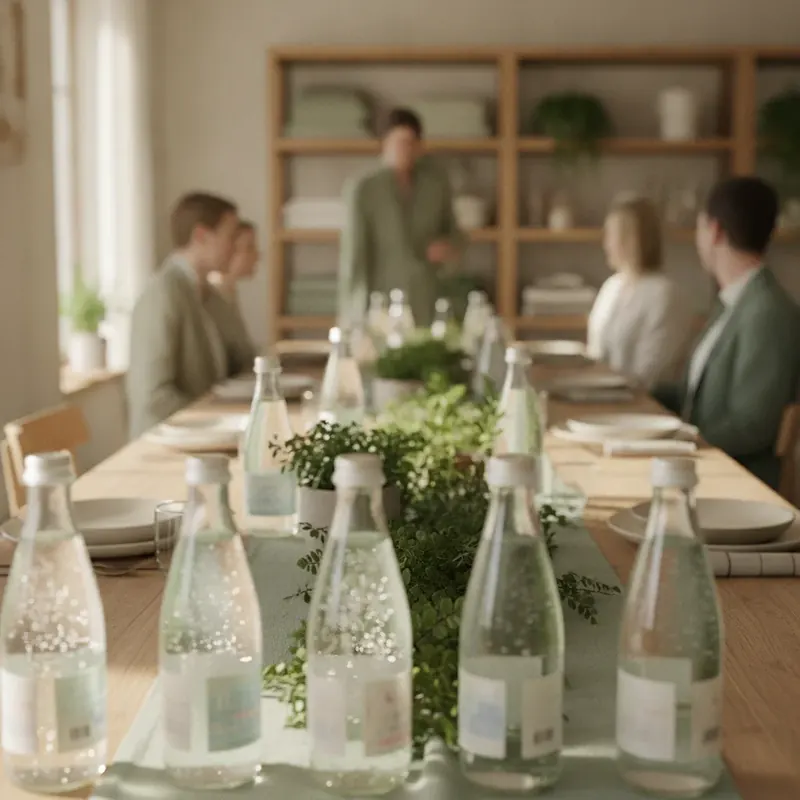
To say no to a drink, use a short statement such as “No, thanks, I’m not drinking tonight.” Avoid long explanations, which give people more material to question. If someone keeps pushing, repeat the same answer without adding new reasons. Hold an alcohol-free drink and have a planned exit if the pressure continues.
Use a short answer instead of building a case
The simplest refusal is usually the strongest: say no, make it clear, and stop talking. You do not need to persuade the other person that your decision is reasonable. NIAAA
A useful formula is no + brief decision + optional redirect:
- “No, thanks. I’m not drinking tonight.”
- “I’m good with this, but thank you.”
- “Not for me tonight. How have you been?”
The more detail you provide, the more openings you create. Saying that you have an early morning may lead to “Just have one.” Mentioning calories may start a debate about low-calorie drinks. A clear decision leaves less to negotiate.
Say the line at a normal volume, with a steady tone. Face the person rather than looking apologetic or whispering. You do not have to sound harsh, cheerful, or embarrassed. The goal is to make the answer easy to understand.
The NIAAA drink-refusal guidance similarly recommends short, clear responses and calmly repeating them when necessary. This is a skill, not a personality trait. Rehearsing one sentence before an event can make it much easier to use when a drink is already being held out to you.
Ready-to-use scripts for common drink offers
Choose one or two lines that sound like something you would actually say. A polished speech is less useful than a plain sentence you can remember under pressure.
For a casual offer
- “No, thanks. I’m good.”
- “I’ll have a sparkling water.”
- “Not tonight, but thanks for asking.”
- “I’m sticking with this.”
When you are quitting
- “I don’t drink anymore.”
- “I’ve stopped drinking, and I feel better keeping it that way.”
- “Alcohol isn’t working for me, so I’m done with it.”
When you are cutting down
- “I’m not drinking tonight.”
- “I’ve reached my limit.”
- “I’m taking more alcohol-free nights.”
- “No refill for me. I’m switching to water.”
When you want privacy
- “No, thank you.”
- “I just don’t want one.”
- “It’s a personal decision. I’m good with this.”
- “I’d rather not get into it, but thanks for understanding.”
Use language that matches your actual plan. If you have quit, “I don’t drink” can close the subject more effectively than “I’m taking a break.” If you are moderating, state tonight’s limit rather than making a permanent claim you do not mean.
Handle repeated pressure with the broken-record method
When someone pushes, repeat the same refusal instead of producing a new excuse. Your answer does not need to become more elaborate just because the question has been asked again.
Offer: “Come on, have one.”
Answer: “No, thanks. I’m not drinking tonight.”
Offer: “Not even one?”
Answer: “No. I’m not drinking tonight.”
Offer: “Why are you being boring?”
Answer: “I’m still not drinking tonight.”
This can feel repetitive because it is repetitive. That is the point. New reasons invite new counterarguments. A repeated decision signals that the discussion is over.
If the pressure continues, name the behavior:
- “I’ve answered. Please stop asking.”
- “I’m not asking you to agree. I’m asking you to drop it.”
- “I came to spend time with you, not to defend what’s in my glass.”
Then change seats, join another conversation, go outside, or leave. Walking away is not an overreaction when somebody refuses to respect a direct answer. Their disappointment does not create an obligation for you to drink.
What to say to hosts, coworkers, and clients
In settings where you want to preserve the relationship, combine appreciation with a firm decision. You can acknowledge the offer without accepting it.
At someone’s home
- “Thanks for having me. I’d love a soda or water, but no alcohol.”
- “That’s kind of you, but I’m not drinking. Do you have anything alcohol-free?”
- “Please don’t open anything for me. I brought my own drink.”
If a host has selected wine or made a cocktail, you are not rejecting their hospitality. You are declining one item. Thank them for the invitation, food, or effort, then ask for a specific alternative.
At a work event
- “No, thanks. I’m keeping a clear head tonight.”
- “I’m all set with club soda.”
- “I’m not drinking, but I’ll join you for the toast.”
- “I have an early start, so I’m heading out.”
You rarely need to disclose personal information to a coworker, manager, or client. Ordering directly from the bartender can prevent the group from choosing for you. If rounds are being bought, say, “Please leave me out of the alcohol round. I’ll get my own.”
For a toast, raise any drink you already have. The social action is participating in the moment, not swallowing alcohol. If a work culture treats drinking as mandatory, make a brief appearance, speak to the people you need to see, and leave at a time chosen in advance.
Set up the situation before the first offer
A little preparation removes many decisions from the event itself. Decide what you will drink, what you will say, and when you will leave before you arrive.
- Pick your sentence. Say it aloud a few times: “No, thanks. I’m not drinking tonight.”
- Order first. Get an alcohol-free drink as soon as you arrive. People are less likely to offer something when your hand is occupied.
- Tell one useful person. Ask a supportive friend not to offer alcohol or draw attention to your choice.
- Control your transportation. Drive yourself, keep rideshare money available, or confirm the last train. Do not depend on somebody who wants to stay late.
- Choose an exit time. Leaving at 9:30 is easier than deciding whether to leave after pressure and cravings have built.
You can also contact the host beforehand: “I’m looking forward to coming. I’m not drinking, so I’ll bring a few alcohol-free drinks.” This avoids a public discussion at the door.
If you expect one particular person to push, rehearse that exact exchange. Picture their usual line and practice your response. Preparation may feel artificial, but the real conversation becomes less demanding when you have already chosen the words.
Manage the pressure nobody says out loud
Not all social pressure comes from another person; sometimes the hard part is simply watching everyone else drink. An offer can be refused in seconds, while indirect pressure may continue for the whole event.
Notice what is happening without turning it into a command. “Everyone has a drink” is an observation. It does not mean “I have to drink to belong.” Look for what you can still do: eat, talk, dance, watch the game, take part in a toast, or leave once the event stops being useful.
Give yourself a job during the first awkward minutes. Order food, help the host, find someone you know, or ask a specific person a question. This is not about staying constantly distracted. It is a way to get through the period when old habits tell you that holding alcohol is the price of entry.
If seeing or smelling alcohol creates a strong urge, move rather than arguing with yourself. Step outside, switch rooms, call someone, get food, or go home. You do not earn extra credit for remaining beside the bar. A social plan should serve your drinking goal, not test how much pressure you can tolerate.
After an awkward moment or a slip
An awkward refusal does not mean you handled the night badly, and accepting a drink does not erase the plan. Review the specific moment and adjust what you will do next time.
If you took a drink because you froze, identify the first point where the situation went off course. Maybe somebody handed you an open bottle before asking, your planned line felt unnatural, or you stayed after your intended exit time. Turn that into one change: arrive with a drink, use a shorter sentence, tell the host beforehand, or leave earlier.
If you have already accepted a drink but do not want it, you can still say:
- “I changed my mind. I’m switching to water.”
- “I’m done for tonight.”
- “No refill, thanks.”
You do not have to finish alcohol because it was poured, purchased, or included in a toast. Put it down and order something else.
Track which people, places, and times make refusal difficult. A simple note after each event can reveal whether your main problem is direct pressure, late-night cravings, lack of alternatives, or fear of questions. Change the setup instead of relying on more willpower.
If you drink heavily every day, speak with a clinician before stopping abruptly.
Common questions
How do I politely say no to an alcoholic drink?
Say, “No, thank you. I’m not drinking tonight,” then order or name an alcohol-free option. Appreciation makes it polite; a clear statement keeps it from sounding negotiable.
What can I say when someone asks why I am not drinking?
You can say, “I just don’t want one,” “I feel better without it,” or “It’s personal, but I appreciate you asking.” You are allowed to decline without explaining your health, history, or goals.
How do I refuse a drink without making things awkward?
Keep the refusal brief and redirect the conversation: “No, thanks, I’m good. How is your new job going?” Long apologies usually create more awkwardness than a calm answer.
What should I do if friends keep pressuring me to drink?
Repeat the same answer, then set a boundary: “I’m not drinking. Please stop asking.” If they continue, move away or leave rather than debating your decision.
How do I say no to drinks at a work event?
Order an alcohol-free drink immediately and use a neutral line such as, “I’m all set with this.” You do not owe coworkers or clients personal details about why you are not drinking.
Is it rude to decline a drink offered by a host?
No. Thank the host and ask for something specific: “That’s kind of you, but I’d love a sparkling water.” You can appreciate the hospitality without accepting alcohol.
What if I already accepted a drink but changed my mind?
Set it down and say, “I changed my mind, I’m switching to water.” Accepting or tasting a drink does not require you to finish it.
Should I tell people that I quit drinking?
Tell people when it makes your boundary easier or gets you useful support. If you prefer privacy, “I’m not drinking tonight” is enough.